





Example brief: App Flow
A real brief: the onboarding of Atlas, an iOS app I designed, built and shipped myself, written in the How to Brief format.
Goal: Atlas (iOS) needs its onboarding. Atlas turns your camera roll into a map of your travels, and the whole flow hangs on one rule: the user reaches the globe “wow” moment before we ask them for anything but their photos. No paywall in the flow: the product earns the sale later. The metric we judge this on: how many people reach their own globe.
Copy: Screen by screen.
1. Hook: “Every country revealed”, the word rolling through country, city, spot, trip · “From your photos, in seconds.”
2. Privacy: “It all stays on your device.” · “Atlas reads your library on-device. Nothing is ever uploaded.”
3. Scanning: “Scanning your photo library...” over a live progress globe.
4. Reveal: the user’s own travels light up the globe. No copy. The product speaks.
5. Notifications: “Never miss a memory” · “Get a daily look back at the photos you took on this day, across the years.” · Turn on notifications / Maybe later.
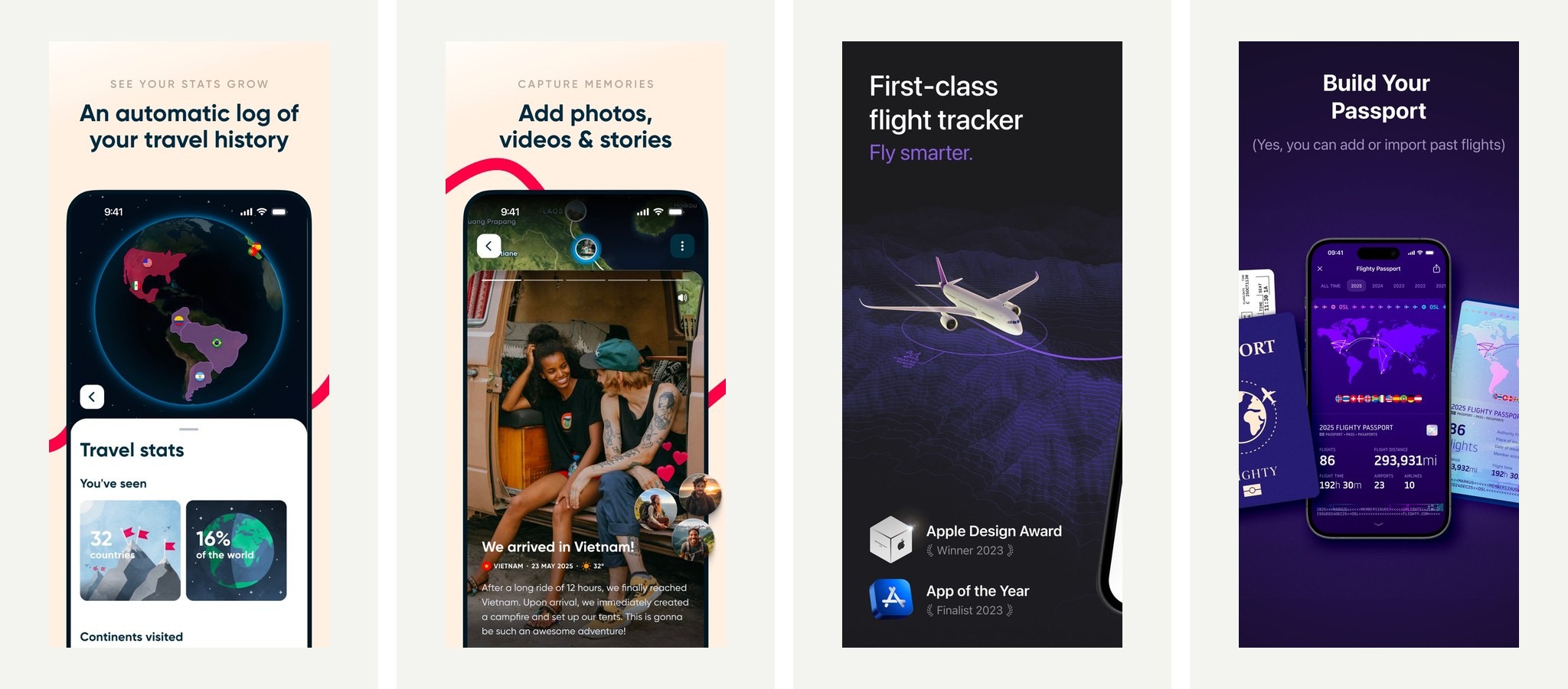
References: Polarsteps for the travel warmth, and stats that make you proud of where you’ve been. Flighty for premium travel-app craft, and a passport that turns data into a trophy. The reveal should feel like Apple Photos’ Memories: the emotion comes from the user’s own photos, not from our marketing.
Assets: SF Symbols and the globe from the live app.
Brand: Minimal and photography-first. The map is dark on purpose: the user’s photos carry the color.
Format: SwiftUI front end, running on a real photo library.
Shipped in pieces, each within 48h. Live in Atlas on the App Store.
Why this brief worked
Sequencing was stated as a constraint: wow before ask.
The privacy promise was written as product copy, not left as a legal afterthought.
It was delivered in SwiftUI, so what got approved is exactly what shipped.
Steal the structure
A real brief from my design subscription for founders.
Adapt it to your own project, then paste it as a card in your Trello Backlog.
Format, rules and more examples: https://camillehaidar.com/os

Goal: Atlas (iOS) needs its onboarding. Atlas turns your camera roll into a map of your travels, and the whole flow hangs on one rule: the user reaches the globe “wow” moment before we ask them for anything but their photos. No paywall in the flow: the product earns the sale later. The metric we judge this on: how many people reach their own globe.

Copy: Screen by screen.
1. Hook: “Every country revealed”, the word rolling through country, city, spot, trip · “From your photos, in seconds.”
2. Privacy: “It all stays on your device.” · “Atlas reads your library on-device. Nothing is ever uploaded.”
3. Scanning: “Scanning your photo library...” over a live progress globe.
4. Reveal: the user’s own travels light up the globe. No copy. The product speaks.
5. Notifications: “Never miss a memory” · “Get a daily look back at the photos you took on this day, across the years.” · Turn on notifications / Maybe later.

References: Polarsteps for the travel warmth, and stats that make you proud of where you’ve been. Flighty for premium travel-app craft, and a passport that turns data into a trophy. The reveal should feel like Apple Photos’ Memories: the emotion comes from the user’s own photos, not from our marketing.

Assets: SF Symbols and the globe from the live app.

Brand: Minimal and photography-first. The map is dark on purpose: the user’s photos carry the color.

Format: SwiftUI front end, running on a real photo library.
CAMILLE HAÏDAR
2026 © All rights reserved